
UX-Led Web Design
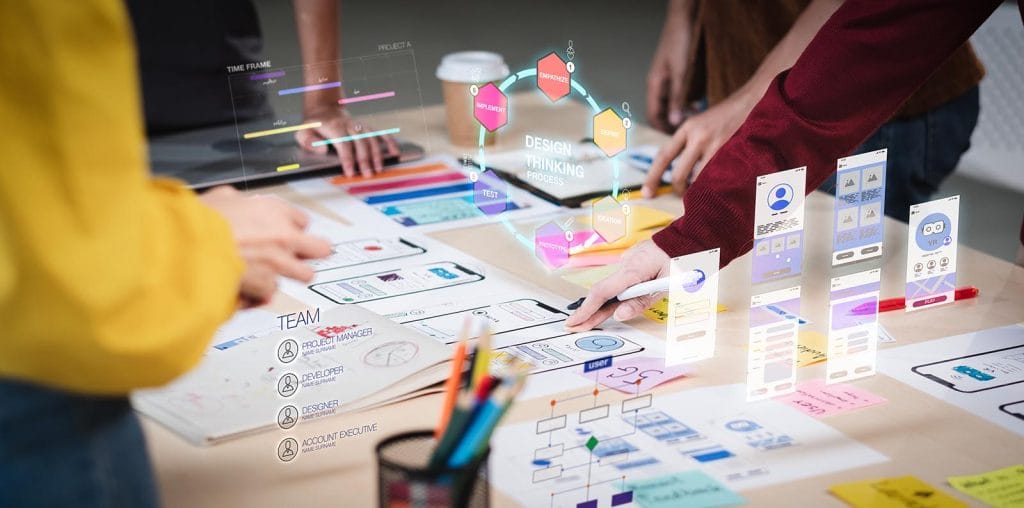
Great websites rarely shout about user experience.
When UX is done well, it works quietly in the background, guiding people, reducing friction, and helping them achieve what they came to do without thinking about it.
UX-led web design is about making deliberate decisions before anything visual is applied. It focuses on structure, intent, usability and performance, ensuring a website works logically for both users and search engines.
What UX-Led Web Design Really Means
User experience is often misunderstood as how a website looks.
In reality, UX is about how a website works.
UX-led web design considers how real people behave, what they are looking for, and how easily they can move through a site to reach a goal. This includes everything from navigation and layout to content hierarchy and page purpose.
Rather than starting with colours, animations or themes, UX-led design starts with questions:
- Why is this page here?
- What problem is it solving?
- What does the user expect to see next?
These answers shape the structure of the site long before any visual styling is applied.
Designing Around User Intent
Every page on a website serves a specific purpose.
Some pages are informational, others are persuasive, and some exist purely to guide users deeper into the site.
UX-led web design focuses on user intent, ensuring each page aligns with what visitors are trying to achieve at that moment. When intent is unclear or ignored, users become frustrated, engagement drops, and conversions suffer.
Clear intent helps:
- Reduce confusion
- Improve engagement
- Create more meaningful user journeys
- Support stronger SEO performance
This intent-first approach underpins our wider approach to web design, where structure and purpose are defined before visual design begins.
Structure Comes Before Styling
One of the biggest differences between UX-led websites and template-driven builds is structure.
Before design begins, UX-led projects focus on:
- Page hierarchy
- Content priority
- Information architecture
- Logical navigation paths
This ensures important information appears where users expect it, not where it simply looks good visually.
Well-structured websites are:
- Easier to navigate
- Faster to understand
- More accessible
- More search-engine friendly
Strong structure also makes future content growth far easier, preventing the need for redesigns as a site evolves.
Navigation, Hierarchy and Clarity
Navigation is one of the most critical UX elements on any website.
If users cannot quickly understand where they are or where to go next, they are likely to leave.
UX-led navigation focuses on:
- Clear page labelling
- Predictable menus
- Logical grouping of content
- Minimising unnecessary choices
This clarity benefits users and search engines alike, helping crawlers understand relationships between pages while improving user confidence and trust.
UX, Usability and Performance
User experience is closely tied to performance and usability.
A visually impressive website can still fail if it is slow, cluttered or difficult to use. UX-led web design considers:
- Load speed
- Mobile usability
- Readability
- Interaction feedback
- Accessibility
These factors directly affect how users perceive a website and how long they stay on it. They also influence key SEO signals such as engagement, dwell time and bounce behaviour.
By prioritising usability alongside design, UX-led websites remain effective across devices, connection speeds and user abilities.
Website performance plays a major role in usability, influencing how users perceive reliability and responsiveness. We explore this in more detail in our guide on how website speed affects user experience.
Performance improvements should always be measured against real user outcomes, not just technical scores. Our article on achieving strong PageSpeed performance without sacrificing usability explores this balance in more detail.
UX vs Template-Driven Websites
Many websites are built by adapting pre-made templates and layering plugins on top. While this approach can appear quick and cost-effective, it often leads to compromises in structure, performance and intent.
Template-driven builds typically:
- Force content into rigid layouts
- Prioritise aesthetics over usability
- Add unnecessary complexity through plugins
- Ignore page-specific intent
UX-led web design avoids these limitations by shaping the website around the user, not the template. Each page is designed with a clear purpose, ensuring consistency, clarity and long-term flexibility.
Applying UX Principles to E-Commerce Websites
User experience becomes even more critical when a website involves purchasing decisions.
In e-commerce environments, UX-led design helps reduce friction and build confidence at every stage of the journey. This includes:
- Clear product categorisation
- Intuitive filtering and search
- Transparent pricing and delivery information
- Simple, reassuring checkout flows
- Mobile-friendly purchase journeys
Small usability issues in e-commerce can have a direct impact on conversion rates. Applying UX principles ensures users feel confident, informed and in control throughout the buying process.
These considerations form a core part of our e-commerce web design approach, where usability and clarity directly support performance.
How UX-Led Design Supports SEO
UX and SEO are closely linked.
Search engines aim to deliver results that provide the best possible experience for users. Websites that are clear, logical and easy to use tend to perform better because they align with this goal.
UX-led design supports SEO by:
- Improving crawlability through logical structure
- Reinforcing topical relevance
- Encouraging deeper engagement
- Reducing pogo-sticking and frustration
- Supporting clear internal linking
Rather than chasing keywords in isolation, UX-led websites create environments where content naturally performs better in search.
UX-led design also changes how success is measured, shifting focus away from surface-level metrics towards meaningful engagement. We explain this further in our article on measuring website success beyond vanity metrics.
UX as a Long-Term Investment
Websites are rarely static. Content grows, services evolve, and user expectations change.
UX-led web design creates a strong foundation that supports this growth. By focusing on structure, intent and usability from the outset, websites become easier to expand, adapt and optimise over time.
This approach avoids short-term fixes and prioritises sustainable performance, ensuring the website continues to serve both users and search engines well into the future.
UX-Led Web Design at Chatsworth
At Chatsworth, UX-led thinking underpins every website we design.
Our process starts with understanding users, goals and intent before moving into layout, content and visual design.
This methodology informs our wider web design process, helping us create websites that are clear, purposeful and built to perform.